01One welding station
A baseline from one station.
One welding station reported about every 31 seconds across 68 parameters. That gave the first per-seam arc-time baseline.

Industrial IoT development
Plant and field data you can act on, because someone checked it first.Industrial IoT fails quietly: sensors report, dashboards render, and nobody trusts the numbers enough to act on them.
Follow one reading
Field data arrives late, duplicated, gappy and occasionally lying, and analytics built on the assumption of clean input produce dashboards nobody trusts.
Simulated stream · …/env/temp
01 · Raw stream
Field data arrives late, duplicated, gappy and occasionally lying.
Hall temperature, average: 33.1 °C, what the dashboard shows
02 · Checked at the door
Validated at ingestion, so data quality is caught at the topic level.
Hall temperature, average: 31.7 °C, still pulled down by the zeros
03 · Gaps and duplicates named
Gap and duplicate handling with explicit semantics.
Hall temperature, average: 36.3 °C, computed from 41 readings
04 · Traceable
Lineage, so a suspicious number can be traced to its source.
Hall temperature, average: 36.3 °C, traced to its source
05 · Trusted
Analytics built on data people have a reason to trust.
Hall temperature, average: 36.3 °C, a number someone can act on
The namespace
A unified namespace is the difference between a factory’s data being an asset and being an archaeology project: one coherent topic hierarchy, consistent payloads, every system publishing into a structure the next system can trust. The discipline is in enforcement, which is why we built and open-sourced a validator that checks topics and payloads against the declared structure, so data quality is caught at the topic level instead of discovered in the dashboard.
One topic hierarchy
Checked at the door
…/cell/env/temp
{ "value": 36.2, "unit": "°C", "ts": "…" }
accepted
…/cell/env/temp
{ "val": "36,2" }
rejected: "val" is not a declared field
…/cell/env/tmep
rejected: topic not in the namespace
Where the data comes from
Protocol bridging from legacy PLCs and serial equipment into a modern namespace is standard work, and our embedded practice handles the physical interfacing.
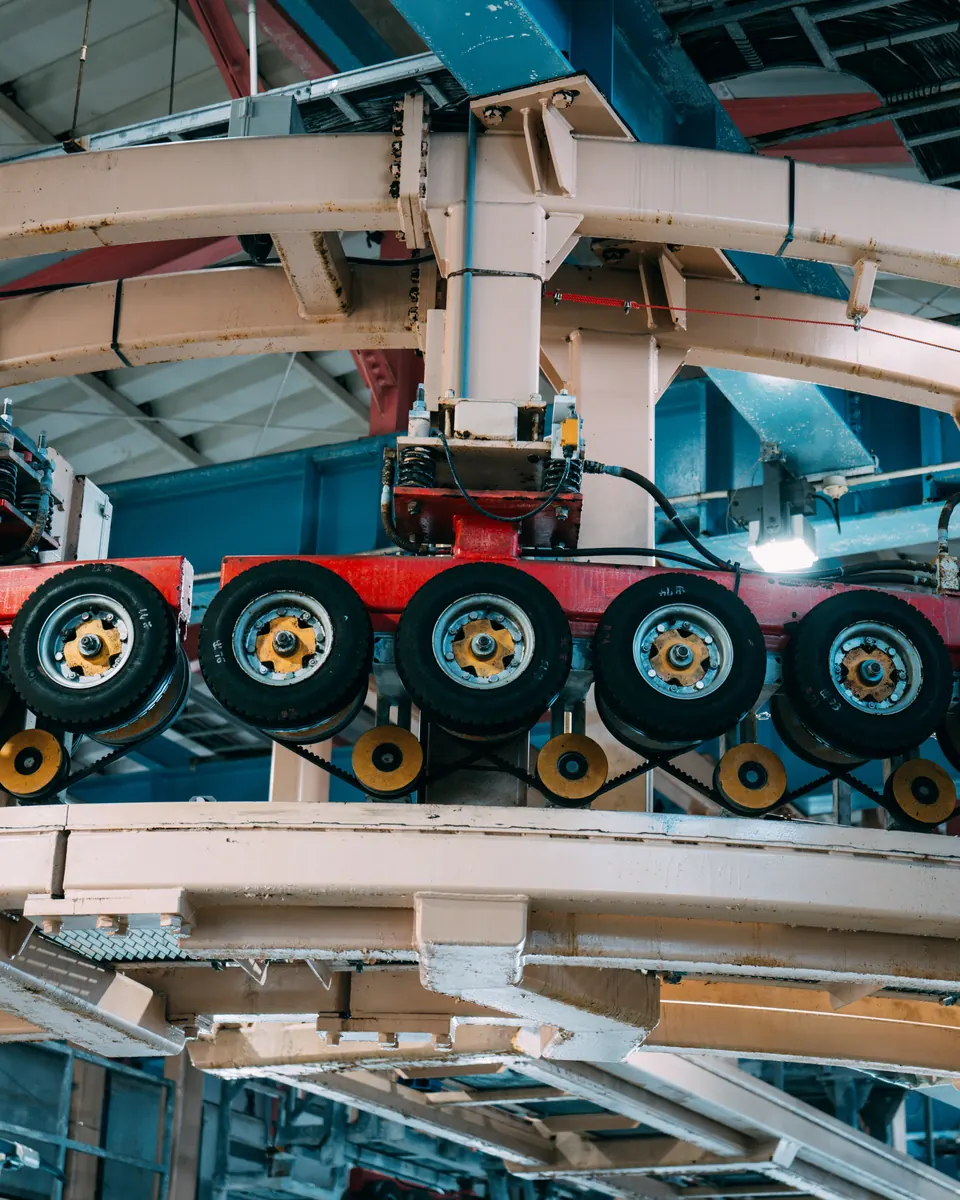
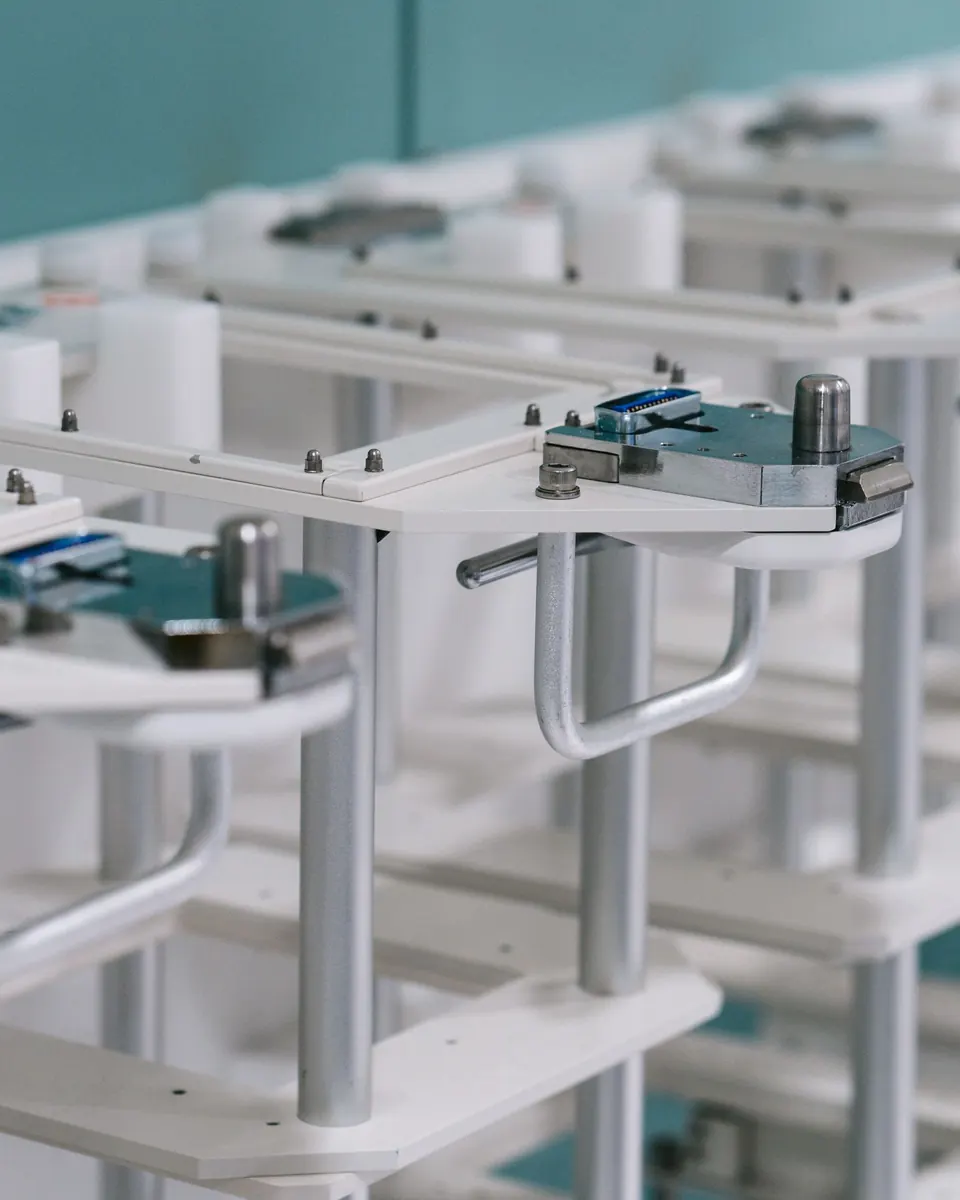
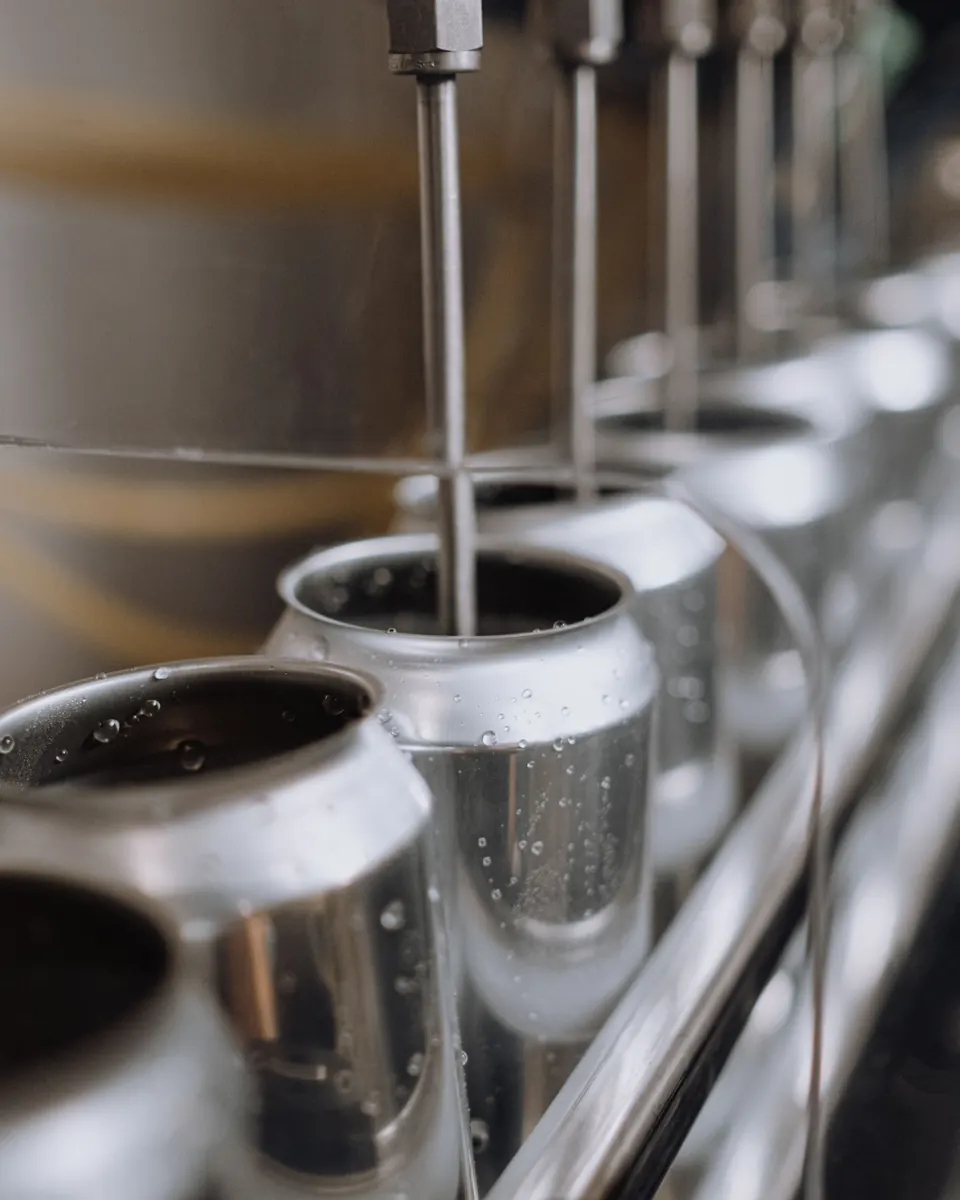
Protocols
MQTT and Sparkplug, OPC UA, OCPP, Modbus and the industrial serial family, plus the automotive CAN world through our gateway work. Protocol choice follows the equipment, not fashion.
From an assessment
For a discrete manufacturing plant we assessed six data files from its existing systems before designing anything: maintenance tickets, seam records, scheduling data, one welding station’s telemetry, the plan and the dispatch records.
01One welding station
One welding station reported about every 31 seconds across 68 parameters. That gave the first per-seam arc-time baseline.
02The plan against dispatch
On the rows that matched, dispatch ran about 18 days ahead of the planned end, and one by 67 days. A buffer measure ran at 128 to 132 percent.
03Joining the plan to dispatch
The two had no shared key. In one monthly plan only 7 of 182 rows matched a dispatch record, and the plan format had changed during the year.
04One month of maintenance
One month of tickets held 359 entries. About 90 percent were cleared in under four hours and about 81 percent were electrical.
05 · What it changed
Because the documented plan and the floor had drifted, the safety gate between agents and machines is calibrated against measured behavior before the design is frozen.
In the open
EV charging is industrial IoT with a revenue meter attached, and OCPP is its lingua franca. We work across the protocol span: charge point management integration, telemetry capture, and the operational analytics above it.
Open source
Charging infrastructure
Tech4Biz works with Tier 1 enterprises. Client names stay private.
What it covers
Edge-to-cloud platforms on open standards: OCPP for charging infrastructure, unified namespace architectures for manufacturing data, MQTT and industrial protocol integration, and the telemetry pipelines that make field data usable. Plus the analytics layer, built by people who have published degradation models against real telemetry.
How we engage
Questions
Industrial IoT fails quietly: sensors report, dashboards render, and nobody trusts the numbers enough to act on them. The gap is engineering discipline between the edge and the decision.
Edge-to-cloud platforms on open standards: OCPP for charging infrastructure, unified namespace architectures for manufacturing data, MQTT and industrial protocol integration, and the telemetry pipelines that make field data usable. Plus the analytics layer, built by people who have published degradation models against real telemetry.
A unified namespace is the difference between a factory’s data being an asset and being an archaeology project: one coherent topic hierarchy, consistent payloads, every system publishing into a structure the next system can trust. The discipline is in enforcement, which is why we built and open-sourced a validator that checks topics and payloads against the declared structure, so data quality is caught at the topic level instead of discovered in the dashboard.
EV charging is industrial IoT with a revenue meter attached, and OCPP is its lingua franca. We work across the protocol span: charge point management integration, telemetry capture, and the operational analytics above it. Our public work leads here: an open-source degradation model built on OCPP telemetry, with the methodology published and checkable and field validation under way.
Field data arrives late, duplicated, gappy and occasionally lying, and analytics built on the assumption of clean input produce dashboards nobody trusts. Our pipelines treat data quality as a first-class engineering problem: validation at ingestion, gap and duplicate handling with explicit semantics, lineage so a suspicious number can be traced to its source, and models validated against the ugly reality of production telemetry rather than a curated sample.

If nobody trusts your plant data enough to act on it, let’s talk.
Start the conversation →